3.
Revisions
to
the
Text
of
the
Draft
EIR
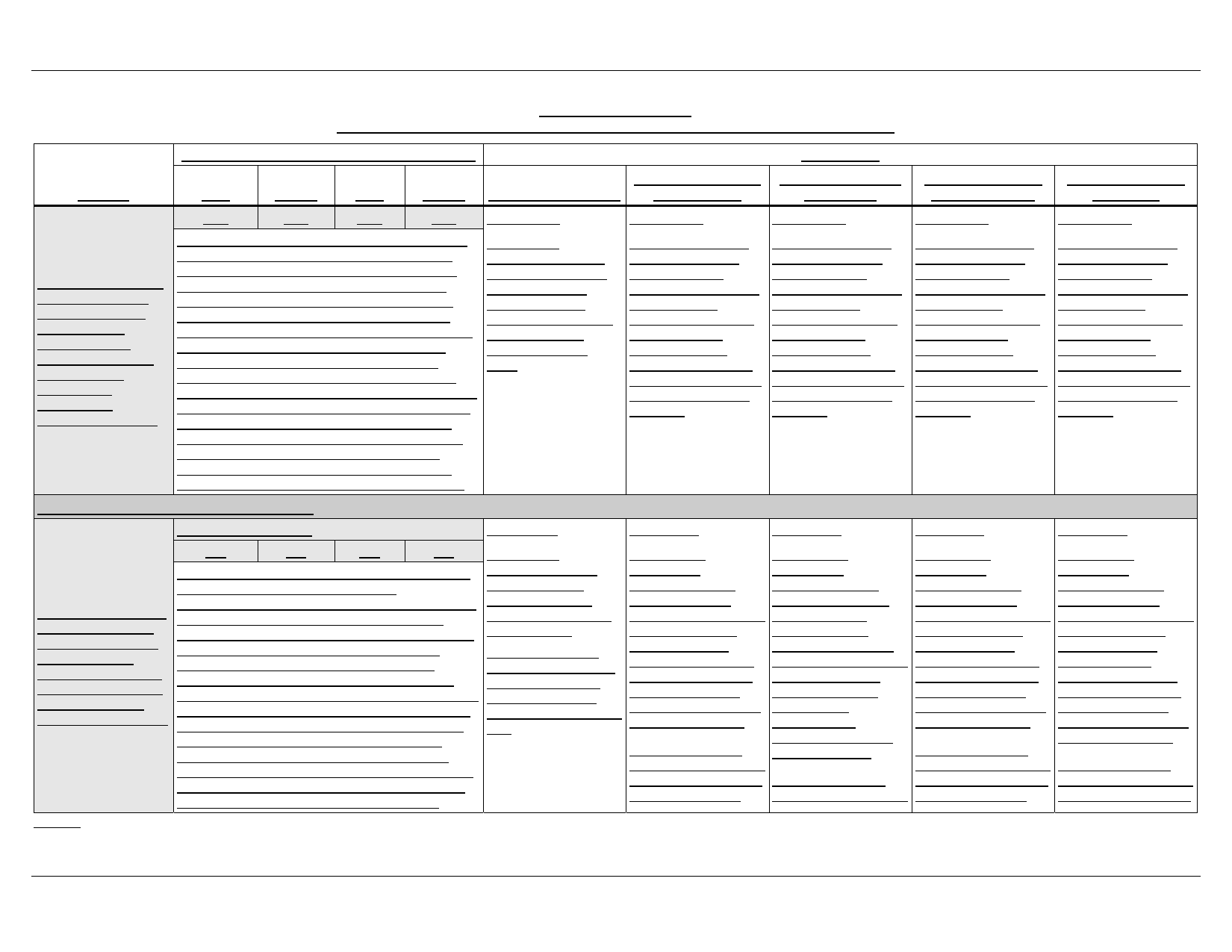
TABLE
5.8
(Continued)
COMPARISON
OF
IMPACTS
FOR
PROJECT
SITE
SCENARIOS
AND
ALTERNATIVES
Proposed
Project
Site
Development
Scenario
Impacts
DSP
LTS
DSP-V
LTS
CPP
LTS
CPP-V
LTS
No
Project–General
No
Project–No
Build
Plan
Buildout
Impact:
LTS
Because
no
development
would
occur,
no
new
GHG
emissions
would
result,
and
there
would
be
no
conflicts
with
the
Climate
Change
Scoping
Plan
.
Impact:
LTS
GHG
emissions
per
service
population
would
be
below
BAAQMD
thresholds.
Therefore,
this
alternative
would
not
conflict
with
the
Climate
Change
Scoping
Plan,
which
was
developed
based
on
attainment
of
AB
32
goals.
Alternatives
Renewable
Energy
Generation
Impact:
LTS
GHG
emissions
per
service
population
would
be
below
BAAQMD
thresholds.
Therefore,
this
alternative
would
not
conflict
with
the
Climate
Change
Scoping
Plan
,
which
was
developed
based
on
attainment
of
AB
32
goals.
Reduced
Intensity
Non-Residential
Impact:
LTS
GHG
emissions
per
service
population
would
be
below
BAAQMD
thresholds.
Therefore,
this
alternative
would
not
conflict
with
the
Climate
Change
Scoping
Plan,
which
was
developed
based
on
attainment
of
AB
32
goals.
Reduced
Intensity
Mixed
Use
Impact:
LTS
GHG
emissions
per
service
population
would
be
below
BAAQMD
thresholds.
Therefore,
this
alternative
would
not
conflict
with
the
Climate
Change
Scoping
Plan,
which
was
developed
based
on
attainment
of
AB
32
goals.
Because
the
CPP
and
CPP-V
scenarios
exceed
the
BAAQMD
efficiency
threshold,
they
would
also
impair
attainment
of
GHG
reduction
goals
Impact
4.F-2:
Would
established
pursuant
to
AB
32
in
the
Climate
the
Project
conflict
Change
Scoping
Plan
and
would
therefore
be
with
an
applicable
considered
to
conflict
with
an
applicable
plan,
plan,
policy,
or
policy,
or
regulation
of
an
agency
adopted
for
the
regulation
of
an
purpose
of
reducing
the
emissions
of
GHGs.
agency
adopted
for
Because
the
proposed
mitigation
would
not
the
purpose
of
reduce
GHG
emissions
below
the
threshold,
a
reducing
the
significant
and
unavoidable
impact
is
identified
for
emissions
of
the
CPP
and
CPP-V
scenarios
for
this
threshold.
greenhouse
gases?
The
DSP
and
DSP-V
scenarios
would
have
a
less-than-significant
impact
with
regard
to
GHG
reduction
planning
efforts,
as
emissions
per
service
population
would
be
below
thresholds
developed
based
on
attainment
of
AB
32
goals.
HAZARDS
AND
HAZARDOUS
MATERIALS
Project
Construction
SM
SM
SM
SM
Impact:
N/A
Impact:
SM
Because
the
remediation
requirements
and
actions
would
be
similar
to
the
CPP
and
CPP-V
scenarios,
which
propose
a
similar
range
of
non-
residential
uses,
site
remediation
would
have
similar
less
than
significant
impacts.
Impact:
SM
Because
the
remediation
requirements
and
actions
for
the
non-
residential
uses
proposed
in
this
alternative
would
be
similar
to
the
CPP
and
CPP-V
scenarios,
impacts
would
be
similar
to
the
significant
but
mitigable
impacts
of
those
scenarios.
Impact:
SM
Because
the
remediation
requirements
and
actions
would
be
similar
to
the
CPP
and
CPP-V
scenarios,
which
propose
a
similar
range
of
non-
residential
uses,
site
remediation
would
have
similar
less
than
significant
impacts.
Impact:
SM
Because
the
remediation
requirements
and
actions
would
be
similar
to
the
DSP
and
DSP-V
scenarios,
which
propose
a
similar
range
of
residential
and
non-
residential
uses,
site
remediation
would
have
similar
less
than
significant
impacts.
Because
no
Project
Site
construction
activities
for
each
of
the
remediation
would
occur
under
this
scenarios
would
require
the
use
and
transportation
of
hazardous
materials.
In
addition,
scenario,
existing
Impact
4.G-1:
Would
vehicles
used
in
construction
activities
could
onsite
contamination
the
project
create
a
accidentally
release
hazardous
materials
such
as
would
remain.
significant
hazard
to
oils,
grease,
or
fuels.
Accidental
releases
of
Use,
transport
and
the
public
or
the
hazardous
materials
during
demolition
and
storage
of
hazardous
environment
through
construction
activities
could
impact
soil
and/or
the
routine
transport,
groundwater
quality,
which
could
result
in
adverse
materials
would
be
limited
to
the
uses
use
or
disposal
of
health
effects.
However,
contractor‘s
compliance
presently
operating
on
hazardous
materials?
with
proposed
mitigation
measures
and
federal,
site.
state,
and
local
requirements
related
to
use,
storage,
and
disposal
of
hazardous
materials
during
construction
would
reduce
impacts
related
to
inadvertent
release
of
hazardous
materials
to
less-than-significant
levels
for
all
scenarios.
Impacts:
SU
–
Significant
Unavoidable
Impact
No
Impact
Brisbane
Baylands
Final
EIR
Construction
could
also
require
the
use
or
transport
of
fuels,
oils,
Construction
could
or
other
chemicals
also
require
the
use
or
Construction
could
also
require
the
use
or
Construction
could
transport
of
fuels,
oils,
also
require
the
use
or
or
other
chemicals
transport
of
fuels,
oils,
SM
–
Significant,
but
Mitigable
Impact
N/A
–
Not
Applicable
LTS
–
Less
than
Significant
Impact
3-170
May
2015