3.
Revisions
to
the
Text
of
the
Draft
EIR
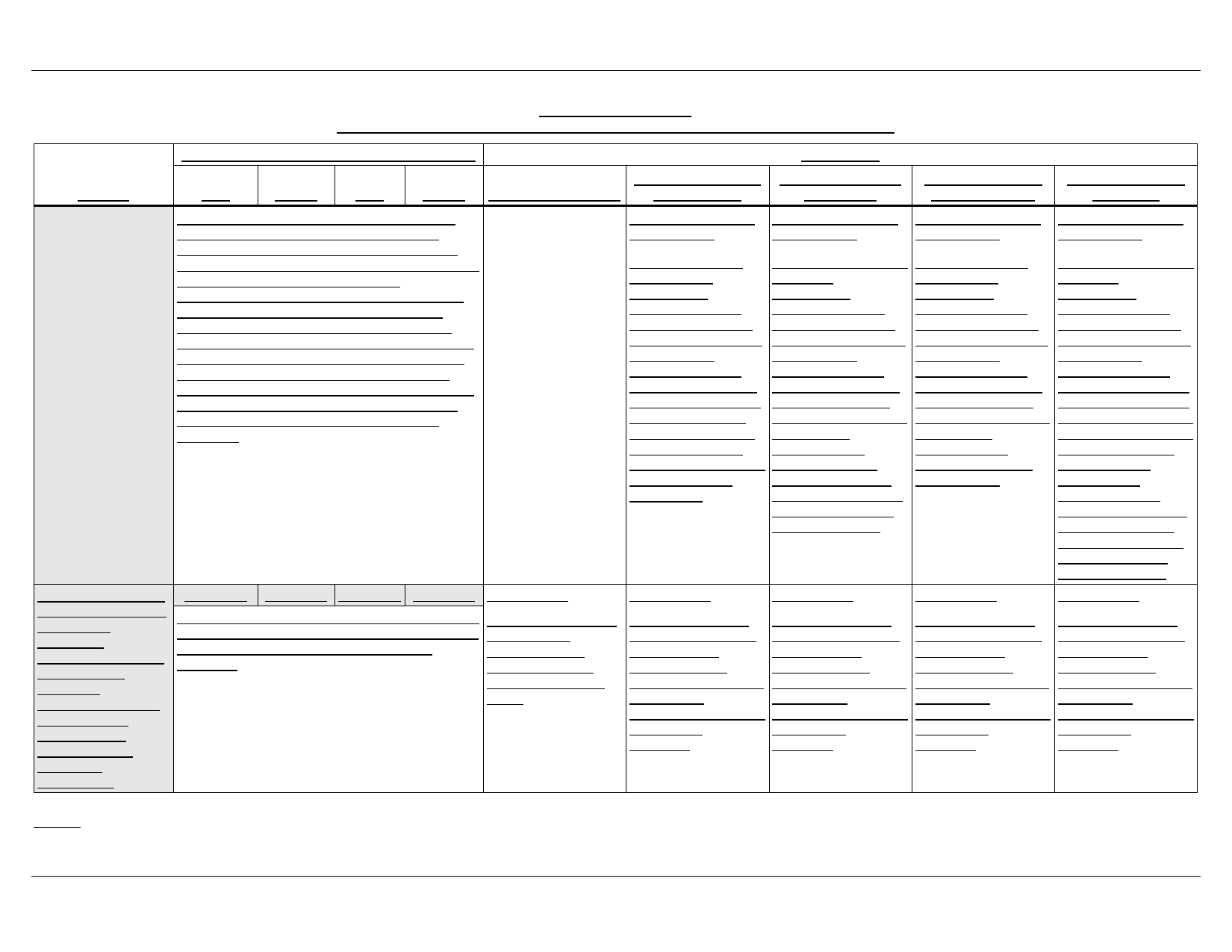
TABLE
5.8
(Continued)
COMPARISON
OF
IMPACTS
FOR
PROJECT
SITE
SCENARIOS
AND
ALTERNATIVES
Proposed
Project
Site
Development
Scenario
Impacts
DSP
DSP-V
CPP
CPP-V
No
Project–General
No
Project–No
Build
Plan
Buildout
be
similar
to
those
of
the
scenarios.
However,
because
the
amount
of
development
(approximately
2.0
million
s.f.)
would
be
substantially
less
than
the
scenarios,
substantially
fewer
buildings,
employees
and
visitors,
would
be
subject
to
less
than
significant
expansive
soils
hazards,
than
under
the
scenarios
or
reduced
intensity
alternatives.
Alternatives
Renewable
Energy
Generation
be
similar
to
those
of
the
scenarios.
However,
because
the
amount
of
development
(approximately
1.9
million
s.f.)
would
be
substantially
less
than
the
scenarios,
substantially
fewer
buildings,
employees
and
visitors,
and
no
onsite
residents
would
be
subject
to
expansive
soils
hazards.
Also,
no
structures
designed
for
human
occupancy
would
be
located
on
the
former
landfill.
Reduced
Intensity
Non-Residential
be
similar
to
those
of
the
scenarios.
However,
because
the
amount
of
development
(approximately
5.8
million
s.f.)
would
be
substantially
less
than
the
scenarios,
substantially
fewer
buildings,
employees
and
visitors,
and
no
onsite
residents
would
be
subject
to
expansive
soils
hazards
than
under
the
scenarios.
Reduced
Intensity
Mixed
Use
be
similar
to
those
of
the
scenarios.
However,
because
the
amount
of
development
(approximately
6.3
million
s.f.)
would
be
substantially
less
than
the
scenarios,
substantially
fewer
buildings,
employees,
visitors,
and
residents
(compared
to
the
DSP
and
DSP-V
scenarios)
would
be
subject
to
expansive
soils
hazards.
This
alternative
would
result
in
fewer
people
subject
to
less
than
significant
expansive
soils
hazards
than
other
alternatives.
Impact:
None
Development
under
this
alternative
would
be
served
by
a
municipal
sewer
system.
Neither
septic
tanks
nor
an
alternative
wastewater
disposal
are
proposed.
that
a
final
design-level
geotechnical
report
for
each
site-specific
development
address
the
potential
for
encountering
expansive
soils,
and
ensure
that
the
performance
standards
set
forth
in
the
California
Building
Code
are
met.
Development
would
be
required
to
be
designed
and
constructed
in
accordance
with
the
final
design-level
geotechnical
report,
which
would
include
moisture
content
requirements
along
with
minimum
standards
for
expansion
potential
and
would
be
submitted
to
the
City
for
review
and
approval
prior
to
the
issuance
of
building
permits.
Implementation
of
this
mitigation
would
reduce
impacts
to
less-than-significant
levels
for
all
scenarios.
Impact
4.E-9:
Would
the
Project
have
soils
incapable
of
adequately
supporting
the
use
of
septic
tanks
or
alternative
wastewater
disposal
systems
where
sewers
are
not
available
for
the
disposal
of
wastewater?
Impacts:
No
Impact
No
Impact
No
Impact
No
Impact
Impact:
None
Existing
development
is
served
by
a
municipal
sewer
system.
No
future
development
would
occur.
Impact:
None
Development
under
this
alternative
would
be
served
by
a
municipal
sewer
system.
Neither
septic
tanks
nor
an
alternative
wastewater
disposal
are
proposed.
Impact:
None
Development
under
this
alternative
would
be
served
by
a
municipal
sewer
system.
Neither
septic
tanks
nor
an
alternative
wastewater
disposal
are
proposed.
Impact:
None
Development
under
this
alternative
would
be
served
by
a
municipal
sewer
system.
Neither
septic
tanks
nor
an
alternative
wastewater
disposal
are
proposed.
Development
under
all
scenarios
would
be
served
by
a
municipal
sewer
system.
Neither
septic
tanks
nor
an
alternative
wastewater
disposal
are
proposed.
SU
–
Significant
Unavoidable
Impact
No
Impact
Brisbane
Baylands
Final
EIR
SM
–
Significant,
but
Mitigable
Impact
N/A
–
Not
Applicable
LTS
–
Less
than
Significant
Impact
3-168
May
2015