3.
Revisions
to
the
Text
of
the
Draft
EIR
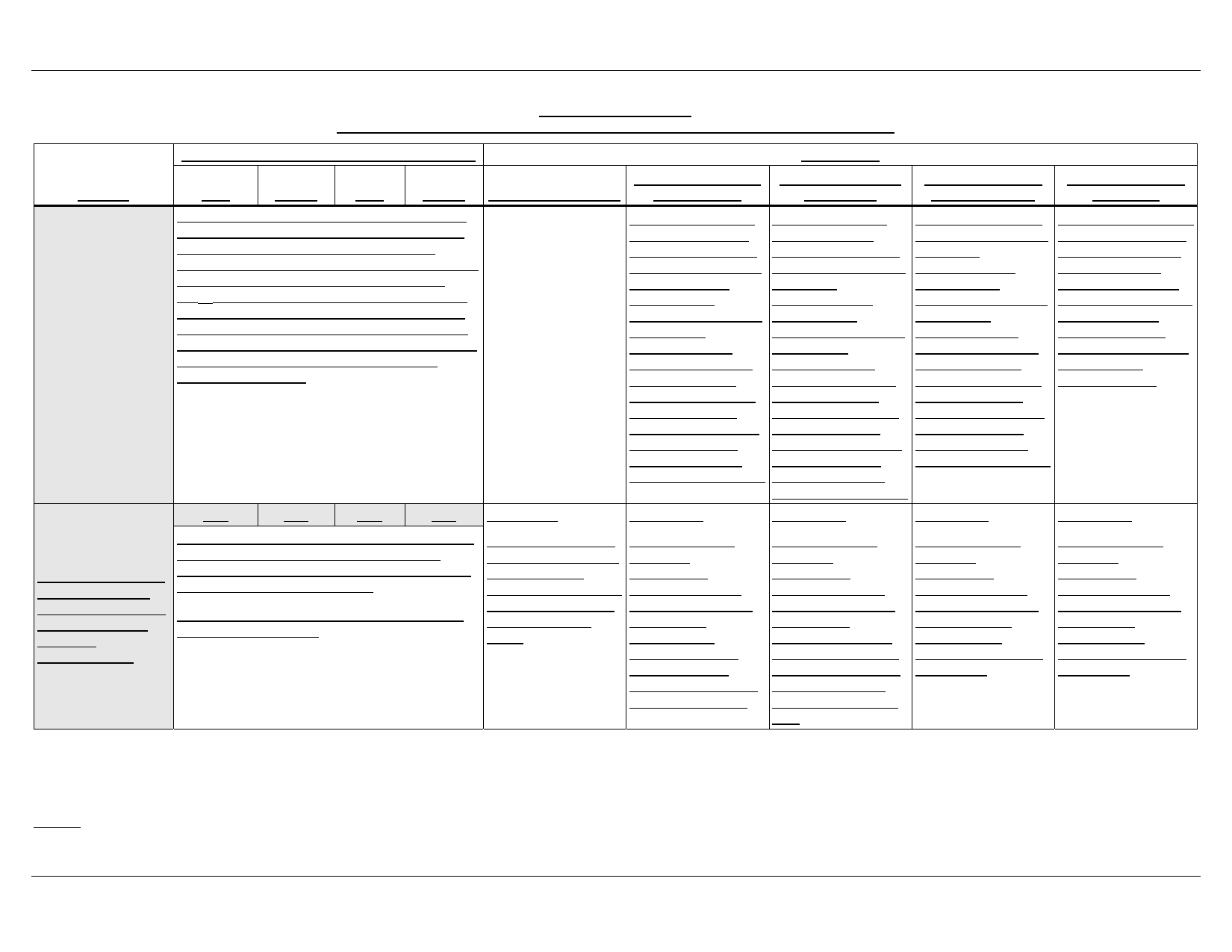
TABLE
5.8
(Continued)
COMPARISON
OF
IMPACTS
FOR
PROJECT
SITE
SCENARIOS
AND
ALTERNATIVES
Proposed
Project
Site
Development
Scenario
Impacts
DSP
DSP-V
CPP
CPP-V
No
Project–General
No
Project–No
Build
Plan
Buildout
preclude
the
siting
of
a
school
within
0.25
miles
of
a
facility
with
hazardous
emissions.
Compliance
with
mitigation
and
California
Department
of
Education
requirements
per
CCR
Title
5,
Section
14010
(criteria
for
school
site
locations)
would
ensure
that
future
students
would
not
be
exposed
to
unhealthy
levels
of
toxic
air
contaminants.
Impact:
N/A
No
new
development
is
proposed;
therefore
no
increased
air
quality
impacts
related
to
CO
concentrations
are
anticipated
to
occur.
Impact:
LTS
Because
the
total
amount
of
development
(approximately
2.0
million
s.f.)
would
be
less
than
the
scenarios
and
Reduced
Intensity
Alternatives,
CO
concentrations
would
be
reduced
as
well.
Alternatives
Renewable
Energy
Generation
would
preclude
the
siting
of
a
school
within
0.25
miles
of
a
facility
with
hazardous
emissions.
Compliance
with
mitigation
and
California
Department
of
Education
requirements
per
CCR
Title
5,
Section
14010
(criteria
for
school
site
locations)
would
ensure
that
future
students
would
not
be
exposed
to
unhealthy
levels
of
toxic
air
contaminants.
Impact:
LTS
Because
the
total
amount
of
development
(approximately
1.9
million
s.f.)
would
be
less
than
the
scenarios
and
other
alternatives
involving
building
construction,
CO
concentrations
would
be
reduced
as
well.
Reduced
Intensity
Non-Residential
within
0.25
miles
of
a
facility
with
hazardous
emissions.
Compliance
with
mitigation
and
California
Department
of
Education
requirements
per
CCR
Title
5,
Section
14010
(criteria
for
school
site
locations)
would
ensure
that
future
students
would
not
be
exposed
to
unhealthy
levels
of
toxic
air
contaminants.
Reduced
Intensity
Mixed
Use
alternative
would
have
greater
risk
(although
less
than
significant)
for
exposing
new
residents
to
air
toxic
contaminants
than
the
CPP
and
CPP-V
scenarios
and
the
other
alternatives
that
do
not
include
residential
uses.
threshold
of
1.0,
and
the
impact
of
the
proposed
residences
within
the
Project
Site
would
be
less
than
significant.
The
highest
annual
PM2.5
concentrations
would
be
0.16
µg/m3
as
a
result
of
roadway
traffic
on
Bayshore
Boulevard.
This
PM
2.5
concentration
at
new
residences
would
be
below
the
BAAQMD
threshold
of
0.3
µg/m3
and
hence
is
considered
less
than
significant.
Health
impacts
on
sensitive
receptors
would
be
less
than
significant
for
Project
Site
development.
No
mitigation
is
required.
LTS
LTS
LTS
LTS
Impact:
LTS
Because
the
total
amount
of
development
(approximately
5.3
million
s.f.)
would
be
far
less
than
the
scenarios,
CO
concentrations
would
be
reduced.
Impact:
LTS
Because
the
total
amount
of
development
(approximately
6.8
million
s.f.)
would
be
less
than
the
scenarios,
CO
concentrations
would
be
reduced.
Worst-case
traffic
scenarios
were
analyzed
and
it
was
determined
that
no
violations
of
carbon
Impact
4.B-7
:
Would
monoxide
(CO)
standards
would
result.
Thus,
no
further
analysis
was
undertaken.
the
Project
expose
sensitive
receptors
to
Impacts
for
all
scenarios
and
alternatives
would
substantial
carbon
be
less
than
significant.
monoxide
concentrations?
Impacts:
SU
–
Significant
Unavoidable
Impact
No
Impact
Brisbane
Baylands
Final
EIR
SM
–
Significant,
but
Mitigable
Impact
N/A
–
Not
Applicable
LTS
–
Less
than
Significant
Impact
3-154
May
2015